


Full-Service & Premium Fitness Clubs Insights
Market Players


Market Players


The Great Gym Arms Race
Bigger, Bolder and Built to Dominate
In 2026, full-service and premium fitness clubs competed to become destinations for training, recovery and social connection. The defining shift was not simply towards larger facilities, but broader relationships with members and more opportunities to earn their spending.
Life Time supplied a clear financial illustration. Third-quarter revenue reached US$893.5 million, up 14.2% year on year. Equinox reinforced the sector’s investment ambitions by announcing capital support for more than US$1 billion in planned growth investment, alongside Brendan Whitworth’s appointment as chief executive. Neither announcement should be confused with investment already deployed or a completed expansion programme.
Consolidation supplied another route to growth. David Lloyd acquired Aspria’s ten-site portfolio, while Bay Club’s acquisition of Tennis Center Sand Point took its Washington network to 12 locations. Both developments illustrated the importance of regional density and propositions extending beyond conventional gym access.
The product continued evolving. Chelsea Piers announced a 50,000-square-foot Hudson Square club, while Virgin Active promoted a social wellness model bringing training and restoration together. In Melbourne, TotalFusion’s partnership with Mirvac connected fitness and wellness with a residential development rather than a standalone gym proposition. Singapore provided a sobering counterpoint: True Fitness and True Yoga closed their operations and entered liquidation.
Expansion announcements therefore told only part of the year’s story. The more useful distinction was between facilities that attracted attention and businesses that could sustain member relationships. Premium positioning created opportunities for higher spending, but operating performance, service quality and repeat usage remained the tests of whether an ambitious proposition could earn its investment.E01
Big News Stories This Year
01
24 Hour Fitness Announces 45,000-Square-Foot Founders Club in Summerlin
Bay Club Adds Tennis Center Sand Point, Taking Washington Network to 12
Chelsea Piers Announces 50,000-Square-Foot Hudson Square Club
David Lloyd Acquires Aspria’s Ten-Site European Portfolio
Equinox Announces CEO Appointment and Backing for Over US$1 Billion in Planned Growth
Life Time Reports 14.2% Third-Quarter Revenue Growth to US$893.5 Million
Third Space Opens Chelsea Club, Taking London Portfolio to 15
08
TotalFusion Partners With Mirvac on Melbourne Fitness and Wellness Destination
09
True Fitness and True Yoga Close Singapore Operations and Enter Liquidation
10
World Gym Signs Second Bangkok Lease and Targets 30 Thailand Clubs
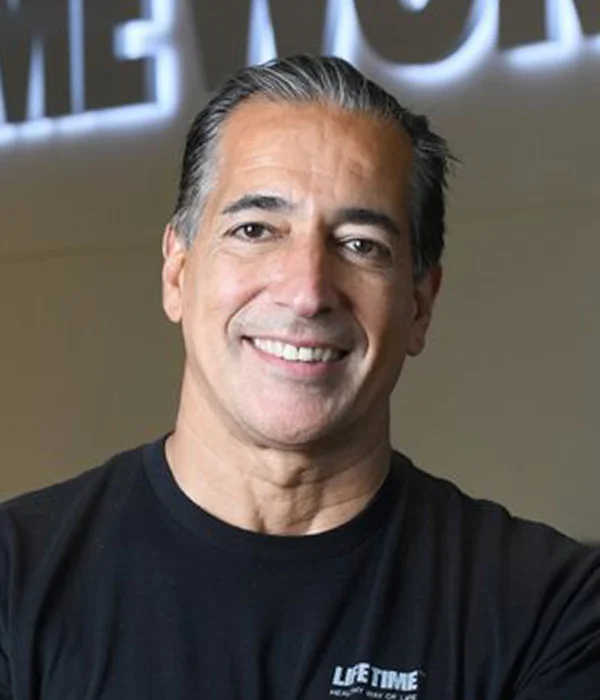
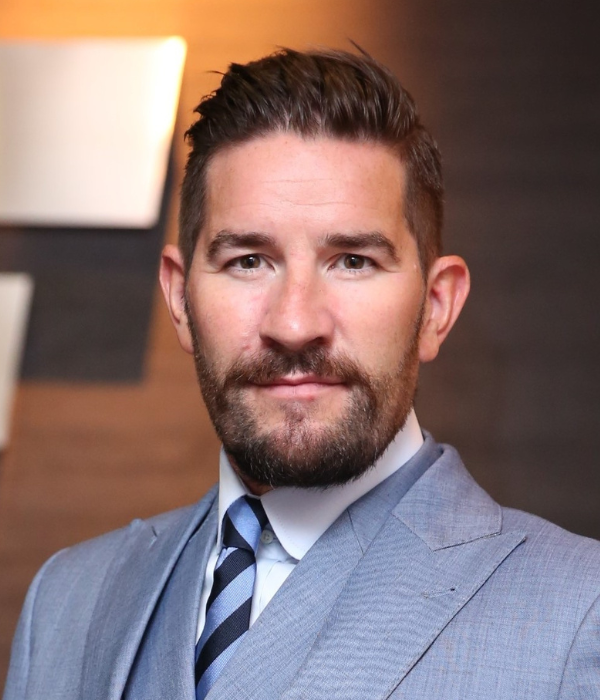
Bahram Akradi
Founder, Chairman & CEO
Life Time
Greta Wagner
Executive Director and EVP
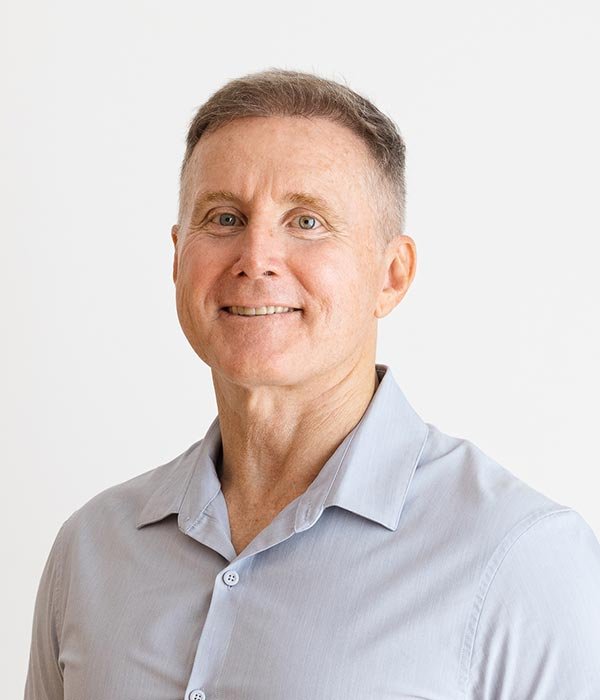
Chelsea Piers
Leon McNiece
Managing Director
TotalFusion
Big-box fitness is back—and bigger than ever in the Middle East. 2025 has continued a powerful resurgence, driven by unprecedented capital investment from major chains, rapid population growth in the UAE, and fast-emerging GCC markets. Acquisition has been markedly easier than in mature markets, fueled by optimism and rising awareness—but history reminds us this can be a cautionary tale. Rapid acquisition without equal focus on retention has undone many operators across the past few decades. At Fitness First MENA, we’ve invested heavily in new sites and refurbishments throughout 2025, and this momentum continues into 2026. Our most innovative actions are in elevating the member journey—creating experiences that drive loyalty well beyond the first 90 days—and investing in a tech stack that enables better member interactions and more targeted business decisions. In the years ahead, those who master both acquisition and retention, underpinned by outstanding post-joining engagement, will define the winners in the space. The big-box model isn’t just surviving—it’s thriving—and success will hinge on turning scale into sustainable relationships within its communities.
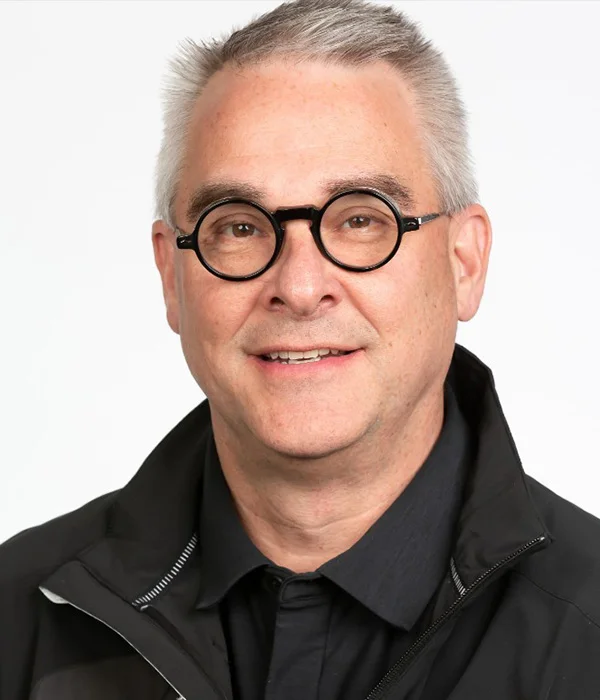
Mark Buchanan
CEO
Fitness First MENA
Matthew Stevens
CEO
The Bay Clubs