


Industry
Spotlight
 Why the Industry Is Losing Great Coaches
(and How We Fix It)
Why the Industry Is Losing Great Coaches
(and How We Fix It)


Career progression should include pathways into senior coaching roles, leadership positions, mentoring, programming, education and operational responsibility. When coaches can see a future beyond just sessions, they stay longer, grow deeper and contribute more meaningfully to the business.

Why the Industry Is Losing Great Coaches
(and How We Fix It)
The fitness industry doesn’t have a recruitment problem – it has a retention problem. Industry data consistently suggests that up to 70–80% of personal trainers leave the industry within the first five years, many within the first two. Not because they lack passion or ability, but because too often, the industry fails to offer them a sustainable future.
Every year, talented coaches enter the industry with big ambitions: to help people move better, live healthier lives and build meaningful careers through coaching. And every year, many of those same coaches quietly exit. The loss isn’t due to effort or commitment, it’s structural.
At Chris Wilson Fitness Studio in Perth, Australia, we have managed to beat this trend and have grown from 1 to 20 coaches by using the principles below.
Career Pathways
At the core of the coaching crisis is a lack of clear career pathways. Too many coaches are told: explicitly or implicitly – that progression means either “do more sessions” or “open your own gym.” That binary choice ignores the reality that not every great coach wants to be an owner and burnout is inevitable when growth is measured solely by hours on the gym floor.
Career progression should include pathways into senior coaching roles, leadership positions, mentoring, programming, education and operational responsibility. When coaches can see a future beyond just sessions, they stay longer, grow deeper and contribute more meaningfully to the business.
In our own business, we introduced clear leadership and progression pathways, allowing coaches to grow into senior roles, operational leadership, and even directorship positions across multiple studios. Several coaches have progressed into leadership roles without leaving the coaching floor – proof that longevity improves when progression exists beyond sessions.
Education
The second issue is education without direction. Coaches are encouraged to collect certifications, attend workshops, and up-skill endlessly – yet are rarely shown how that education translates into responsibility, influence or increased income. Learning becomes a cost rather than an investment and motivation fades.
Education should be purposeful and aligned with progression. When learning is linked to leadership opportunities, pay growth, and impact, coaches stay engaged and committed to long-term development.
We’ve seen the difference when education is intentional. By hosting high-quality in-house education – including workshops with BAMBU Fitness, Bali and Sean McInroy in 2025 – learning became purposeful, contextual and directly linked to coaching standards and leadership development. When coaches understand why they’re learning and how it advances their role, engagement and retention improve dramatically.
Respect
Then there’s respect. Coaching remains undervalued in many environments. Late cancellations, inconsistent pay structures, unclear expectations and poor communication slowly erode trust. When coaches feel disposable, they eventually leave – often taking their best qualities with them: care, energy and commitment to clients.
Respect is shown through systems, clarity and consistency. Clear cancellation policies, reliable communication, professional development opportunities and regular check-ins signal that coaches are valued, not just for what they deliver, but for who they are.
So how do we fix it?
First, we must treat coaching as a profession, not a stepping stone. That means designing roles that allow coaches to grow into leadership without leaving the gym floor.
Second, education must be intentional. Up-skilling should be tied directly to responsibility, progression and trust within a business.
Third, leadership matters. Clear standards, transparent pay structures and open communication aren’t optional – they are foundational to retention.
Finally, we must redefine longevity in coaching. A sustainable career in fitness should be measured in decades, not years. That requires balanced workloads, smarter scheduling, strong culture and leadership that genuinely invests in people.
The future of the fitness industry depends on the people delivering it every day. If we want stronger businesses, better client outcomes, and higher industry standards, we must start by keeping great coaches in the industry and giving them a reason to stay.
About Chris Wilson
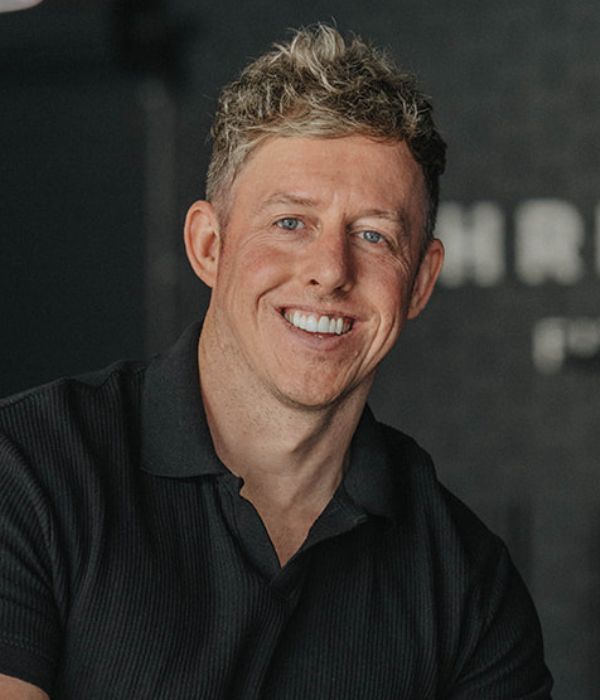
Chris Wilson is the Founder and Director of Chris Wilson Fitness Studio, a premium boutique fitness business with multiple locations across Perth, Western Australia. With over 18 years in the fitness industry, Chris began his career coaching elite athletes and high-performance teams before transitioning into private coaching and studio ownership.
Originally from the UK, Chris arrived in Australia with a backpack and $50. Passionate about raising industry standards through education, leadership and sustainable career pathways for coaches, Chris is known for building community-driven studios with a strong focus on coaching quality, culture and client experience. Chris believes long-term success in fitness comes from investing in people first.
Alongside studio growth, Chris is actively involved in mentoring coaches, hosting retreats, giving back to charities and contributing to industry conversations around professionalism, longevity and the future of boutique fitness.

Industry Opinion Leaders
Want to Contribute a Piece to Our Spotlight Features?
Contact us to find out more.



Senior Manager, Marketing & Communications
Beyond Activ