

Industry
Spotlight
 Beyond the Hype: Creating Real Value in Southeast Asia’s Fitness Industry


The future of health isn’t just about curing illness. It’s about prevention – stopping problems before they start. That’s something our industry is perfectly placed to help deliver. But we have to make it easy for people to take that first step.

Turning Measurable Progress Into Lifelong Health
“We need to make healthspan – not just lifespan – the industry’s real longevity benchmark”
I believe the fitness industry must urgently redefine health. For me, “healthspan” isn’t just about living longer, it’s about making sure those extra years are healthy, independent and fulfilling.
The timing couldn’t be better. Globally, we are seeing a shift to a prevention-first approach when it comes to health. A great example is England’s new Fit for the Future 10-Year Health Plan calling for a shift to prevention, aiming to ease pressure on the National Health Service (NHS) by helping people stay healthier for longer. That aligns perfectly with what we in the fitness industry can deliver. The plan talks about increasing healthy life expectancy, exactly what we’re trying to support. But it can’t just be our health services job. Our sector has to step up.
By turning measures like VO₂ and cardiorespiratory fitness (CRF) into clear personal benchmarks, we can help people understand where they stand in terms of heart and lung health, powerful predictors of chronic disease risk. The goal is to let them track these markers over time and use them to create more personalised, effective workout plans. That’s what drives Wattbike’s Healthspan Score: making CRF science accessible and actionable for everyone.
The concept is simple: show people where they are, help them track their progress, and do it in a non-intimidating, user-friendly way. We don’t want people to have to be fitness experts to know how fit they are. It’s about making science accessible so more people can act on it.
We need to provide simple, relatable data with meaningful insights.
Once people have their benchmark, they need support on how to improve it and increase their healthspan. This should be standard practice for every gym, coach and trainer right at the start of the fitness journey and it should be revisited regularly to track progress, keep members engaged, and boost motivation.
Research shows that visible progress through measurable tracking is linked to a 59% higher retention rate among gym members. In fact, gyms that make this part of a structured onboarding process see retention rates up to 75% higher than those that don’t.*
I’m also passionate about breaking down barriers to participation. Too often, our industry focuses on people who are already active and overlooks those who face challenges or don’t know where to start. We’re not just here for the motivated gym-goers, they’re already doing the work. We need to reach the people who don’t yet realise their health risks, who need encouragement, guidance and a way in.
My background in GP referral schemes and public health initiatives like Jog Derbyshire really shaped how I see fitness, not just as a private service but as a public good. I often point to cycling as a safe, low-impact, welcoming way for people to get moving. Cycling is inclusive, easy on the joints and a great way to help people build both fitness and confidence over time.
I believe fitness providers can play a crucial role in supporting our health services prevention strategies but only if we can show that we’re delivering meaningful outcomes. That means tracking, benchmarking and personalising the journey toward better health, while also educating people about the importance of long-term healthspan, not just short-term fitness goals.
The future of health isn’t just about curing illness. It’s about prevention – stopping problems before they start. That’s something our industry is perfectly placed to help deliver. But we have to make it easy for people to take that first step.
*Smart Health Clubs: 100 Gym Membership and Retention Statistics You Need to Know in 2025
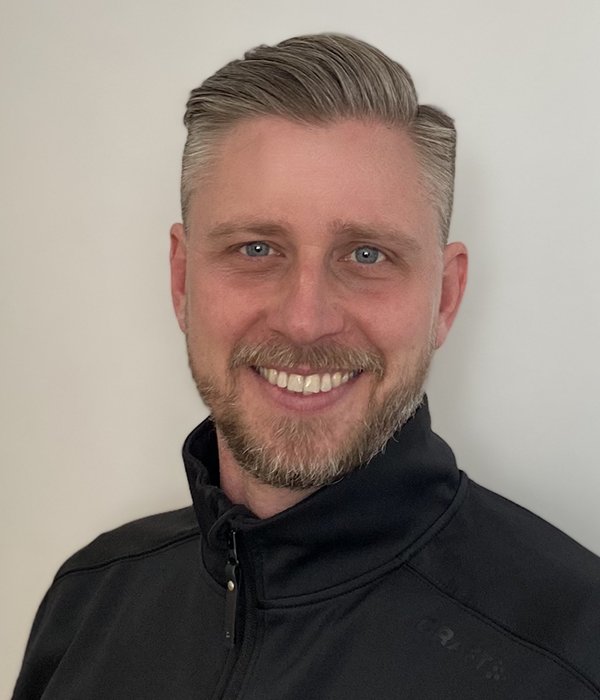
About Tom Crampton
Tom is Head of Strategic Partnerships at Wattbike, leading its strategy to establish the brand as the ultimate training partner for improving health and performance. With over a decade at the company, he focuses on educating and inspiring users, from elite athletes to everyday fitness enthusiasts, to train smarter, measure progress, and unlock their potential.
He works closely with global distributors, partners, and internal teams to ensure consistent messaging and a shared mission: empowering people to take control of their healthspan through evidence-based training. Tom has also pioneered public health initiatives, including GP referral schemes and preventative health programmes that integrate fitness technology into clinical and community settings.
With a background in Sports and Exercise Science, he combines deep subject knowledge with commercial insight to forge strategic partnerships that broaden Wattbike’s reach and impact across sport, fitness, and healthcare.

Industry Opinion Leaders
Want to Contribute a Piece to Our Spotlight Features?
Contact us to find out more.